Build vs Buy Coding Assessments in 2026: A Practical Guide for Startups

Startups hiring developers today face a deceptively simple question: Should you build your own coding assessment system—or buy one?
The answer isn't just about cost anymore. In 2026, it's about speed, signal quality, and how well your hiring process adapts to AI-driven candidates.
Let's break this down into a practical, founder-friendly guide.
The Two Paths: Build vs Buy
🛠️ Building Your Own Assessment System


Building in-house gives you complete control.
You can design assessments that perfectly reflect your stack, workflows, and real-world problems. This is especially powerful if your hiring needs are tightly coupled with your product (e.g., custom AI agents, embedded systems, proprietary logic).
Where it shines:
- Highly specialized roles
- Proprietary tech stacks
- Unique evaluation methods (beyond LeetCode-style questions)
But here's the reality:
- 💸 Cost: ~$50K–$130K for an MVP
- ⏳ Time: 3–6+ months
- 🔧 Maintenance: Ongoing engineering effort (security, browsers, AI updates)
And the biggest hidden cost?
👉 Your engineers are not building your core product while doing this.
⚡ Buying an Existing Platform
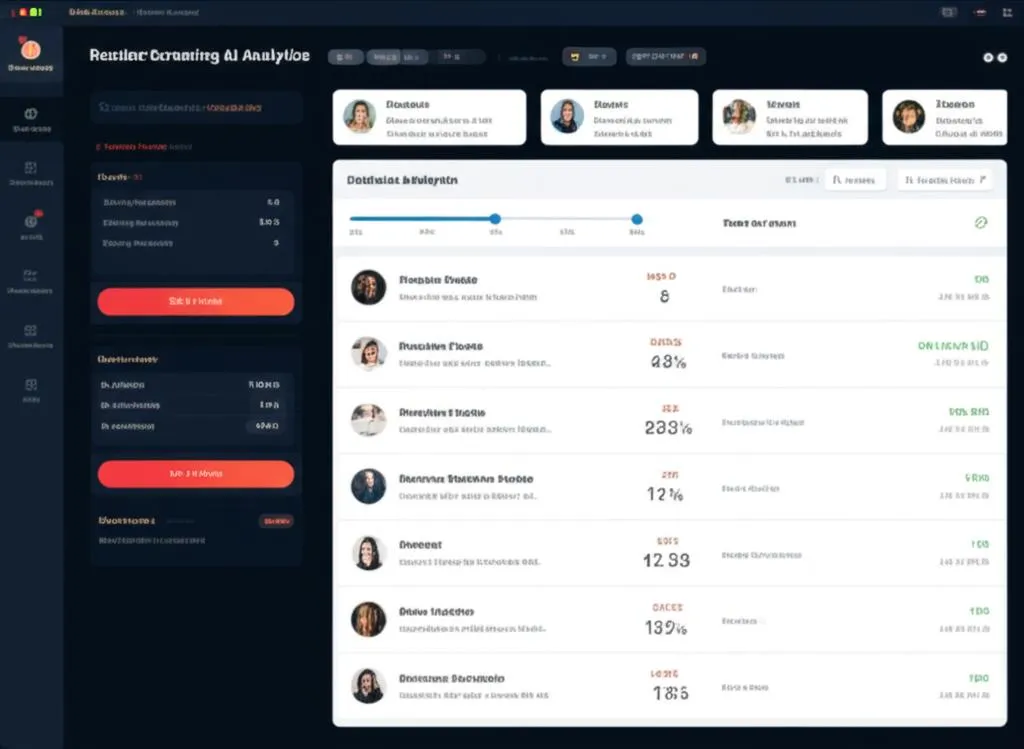
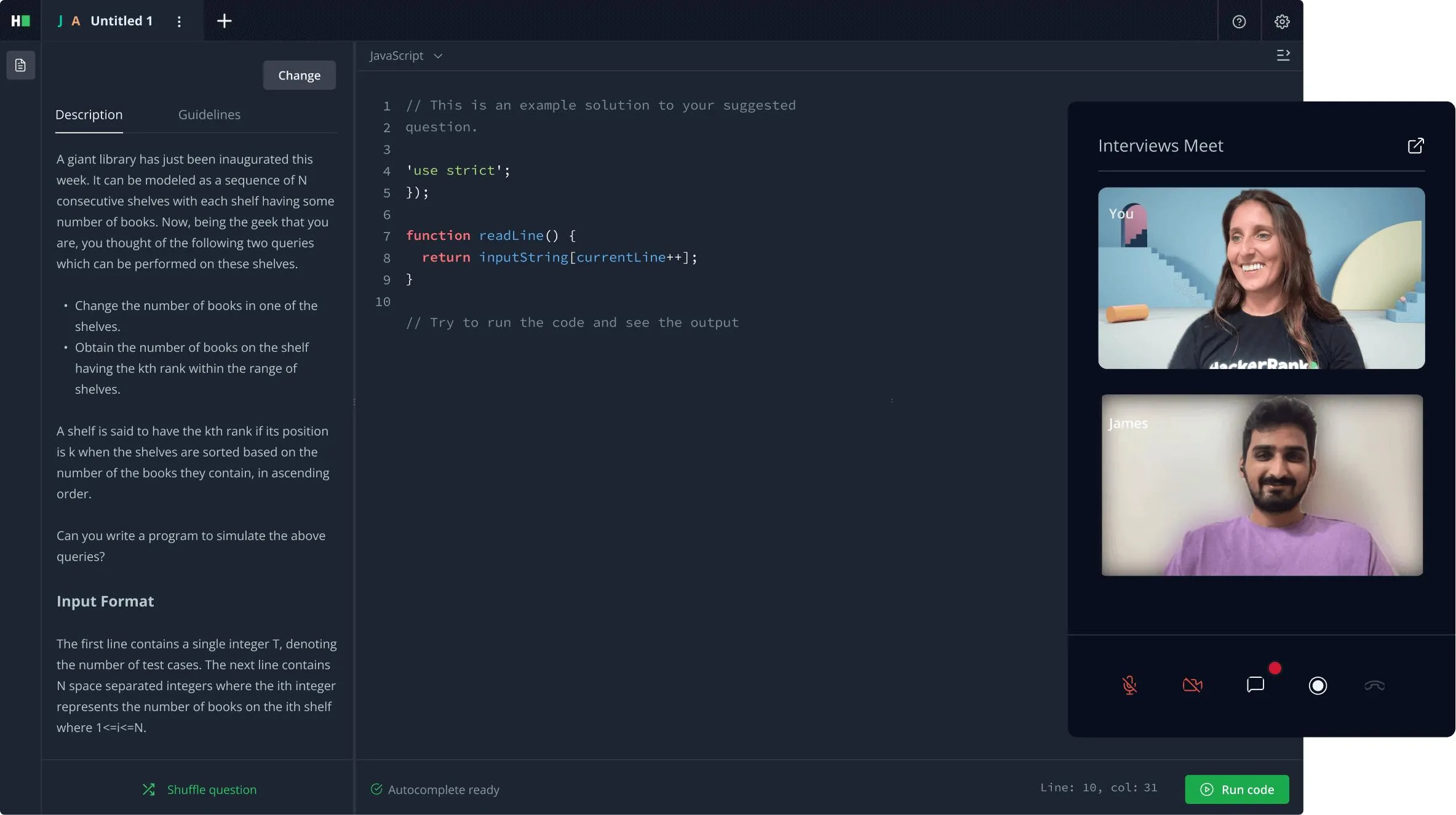

Buying gives you speed and scale instantly.
Platforms like HackerRank, CodeSignal, or newer AI-native tools come with:
- Pre-built question banks
- AI-assisted grading
- Proctoring & integrity tracking
- Analytics dashboards
Why most startups choose this:
- 💰 Affordable: $50–$500/month
- 🚀 Fast: Deploy in days or weeks
- 📈 Scalable: Built for volume hiring
Trade-offs:
- Limited customization
- Risk of vendor lock-in
- May not fully reflect your real work
Key Trade-offs (At a Glance)
| Factor | Build | Buy |
|---|---|---|
| Cost | High upfront, lower later | Predictable monthly |
| Time to Deploy | 6+ months | Days to weeks |
| Customization | Full control | Limited |
| Scalability | Flexible | Proven out-of-box |
| Maintenance | Your responsibility | Vendor handles |
What Changed in 2026: AI Is Now the Baseline
This decision looks very different today than it did even 2 years ago.
🤖 AI Has Transformed Hiring
- ~97% of developers now use AI tools
- Candidates aren't just writing code—they're collaborating with AI
The question is no longer "Can they code?"
👉 It's "Can they use AI effectively to solve problems?"
Modern platforms now simulate this reality by:
- Embedding AI assistants inside tests
- Evaluating reasoning, not just syntax
🔐 New Risk: AI-Assisted Cheating

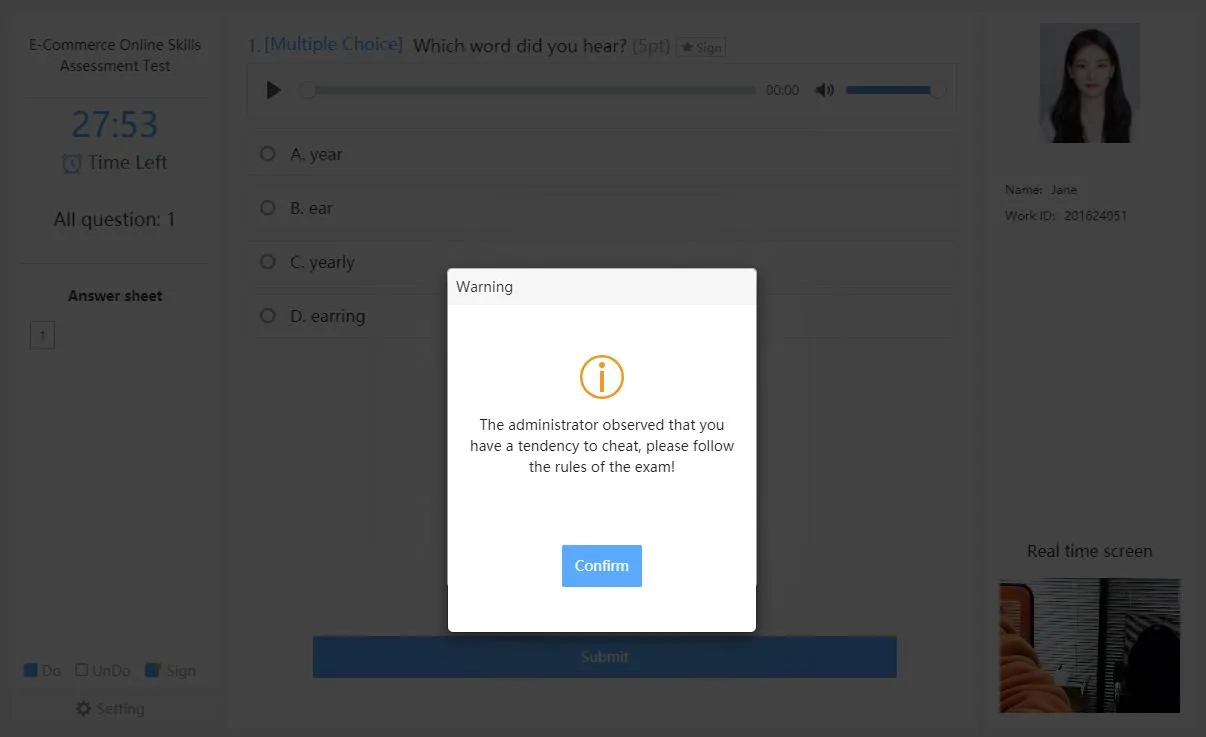
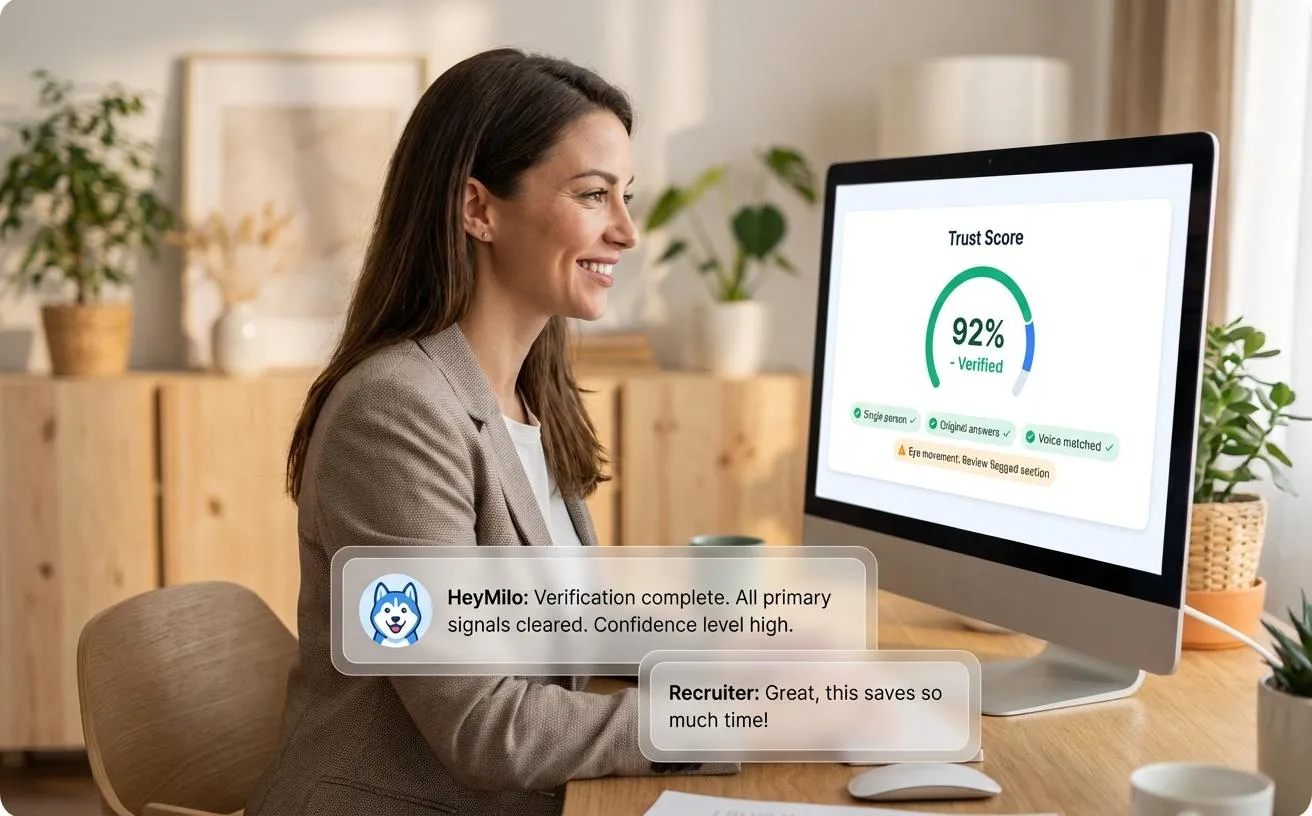
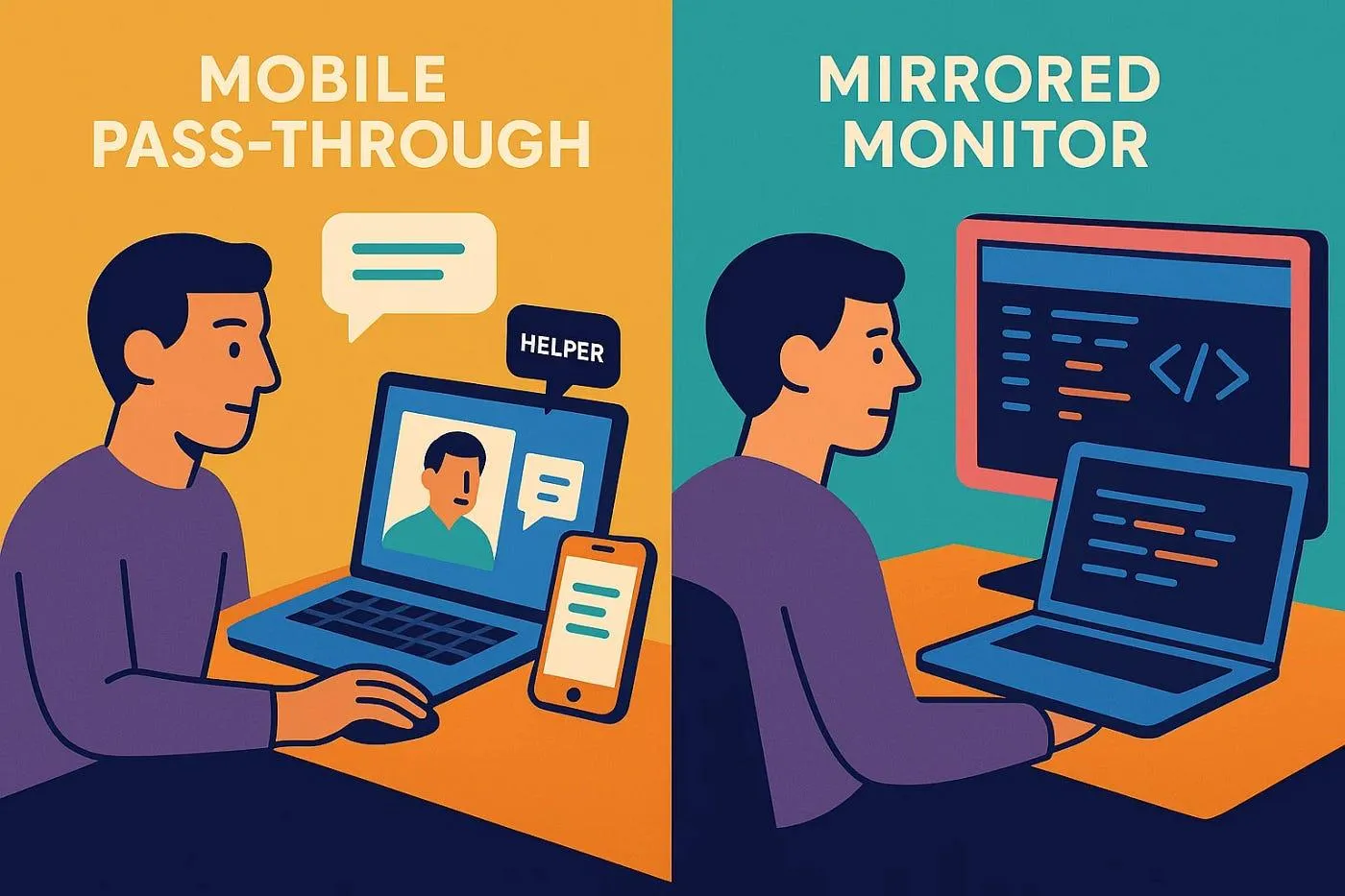
A major 2026 shift: integrity is harder than ever.
Candidates can now:
- Use AI copilots invisibly
- Spoof voice/video with deepfake tools
- Bypass traditional proctoring
That means:
- If you build → you must solve this yourself
- If you buy → it's often already handled
So… What Should You Actually Do?
The Simple Rule
- Build → if hiring is a core differentiator
- Buy → if hiring is a support function
For most startups?
👉 It's buy first, maybe build later
A Smarter Approach: The Hybrid Model
The best teams in 2026 aren't choosing one—they're combining both.
💡 The "Hybrid" Playbook
- Use a platform for initial screening
- Fast, scalable, low effort
- Add a custom work sample
- Real-world task (GitHub repo, small project, etc.)
- Standardize evaluation with AI
- Ensure consistency across candidates
This gives you:
- Speed of SaaS
- Signal of custom evaluation
- Lower engineering overhead
Where ZScreen Fits In (Subtly, but Powerfully)
Most tools today focus only on coding tests.
But hiring is broader than that.
ZScreen takes a different approach:
👉 Instead of just testing code, it helps you run complete AI-powered screening workflows.
What makes it useful in this build vs buy decision:
- You don't need to build infrastructure
- You're not locked into rigid coding-only formats
- You can evaluate candidates across:
- Voice responses
- Written answers
- Coding tasks
- Structured questions
In practice:
You paste a job description →
ZScreen generates a full screening flow →
Candidates respond asynchronously →
You get:
- Scores
- Transcripts
- Strengths & weaknesses
- Shareable reports
So instead of choosing:
- ❌ Build everything
- ❌ Use generic tests
You get:
- ✅ Custom-like evaluations without building
- ✅ Speed of SaaS with better signal
Common Mistakes to Avoid
You don't need a $100K system for your first 20 hires.
If your system doesn't account for AI usage, your results will be misleading.
Different interviewers = noisy hiring decisions.
Always ensure data export and flexibility.
Final Takeaway
The build vs buy decision isn't binary anymore.
In 2026, the winning approach is:
"Buy speed. Customize signal. Automate consistency."
Start simple.
Validate what actually predicts great hires.
Then evolve your system—not the other way around.
🚀 Want to try a smarter screening workflow?
If you're hiring, you can test this approach immediately:
👉 Paste a job description and generate a full AI screening flow at ZScreen.co
(No credit card required)
If you want, I can tailor this into a LinkedIn post series, SEO-optimized blog version, or a landing page for ZScreen. Just tell me 👍
Share this guides
Ready to upgrade your screening?
Join thousands of modern hiring teams using ZScreen to hire faster and fairer.